If your company is exhibiting at or hosting a major event this year, conference photography deserves a real place in your plan. Done well, conference photography captures the scale, energy, and credibility of your presence — and gives you marketing material that lasts long after the show floor clears.
1. Why Conference Photography Is Different From Other Event Work
Conferences and trade shows are a unique photographic challenge. Unlike a controlled studio shoot or an intimate gathering, conference photography means working fast in huge, unpredictable spaces: dim ballrooms, bright exhibit halls, packed sessions, and nonstop activity across multiple rooms at once.
That environment demands experience. A photographer needs to read tricky mixed lighting, anticipate key moments, and move discreetly through crowds without missing a keynote or a handshake. Strong event coverage at this scale is as much about logistics and stamina as it is about artistry.
It is a logistics job as much as a creative one
The best conference shooters plan routes, sync schedules, and prioritize must-have shots in advance. They know that you only get one chance at the opening keynote or the award presentation, so preparation is everything.
2. Houston’s Convention Scene: Big Stages, High Stakes
Houston is one of the country’s premier convention cities, which raises the stakes for any brand presenting here. The George R. Brown Convention Center alone spans nearly two million square feet and hosts massive industry gatherings like the Offshore Technology Conference — events where your visual presence sits next to global competitors.
In that context, professional conference photography is how you stand out and document your investment. Whether you are a keynote sponsor or a first-time exhibitor, polished images prove you belonged on that stage. Skimping on coverage at a flagship Houston event is one of the easiest ways to waste an expensive opportunity.
3. What to Capture: A Conference Photography Shot List
A great shoot starts with a clear shot list, because conference photography has to serve many goals at once — PR, sales, recruiting, and social proof. Plan coverage around the moments that matter most to your brand, then make sure your photographer knows your priorities before the doors open.
Essential shots for most companies include:
- Keynotes and panels featuring your speakers or executives.
- Exhibitor booths and product demos that show your presence in action.
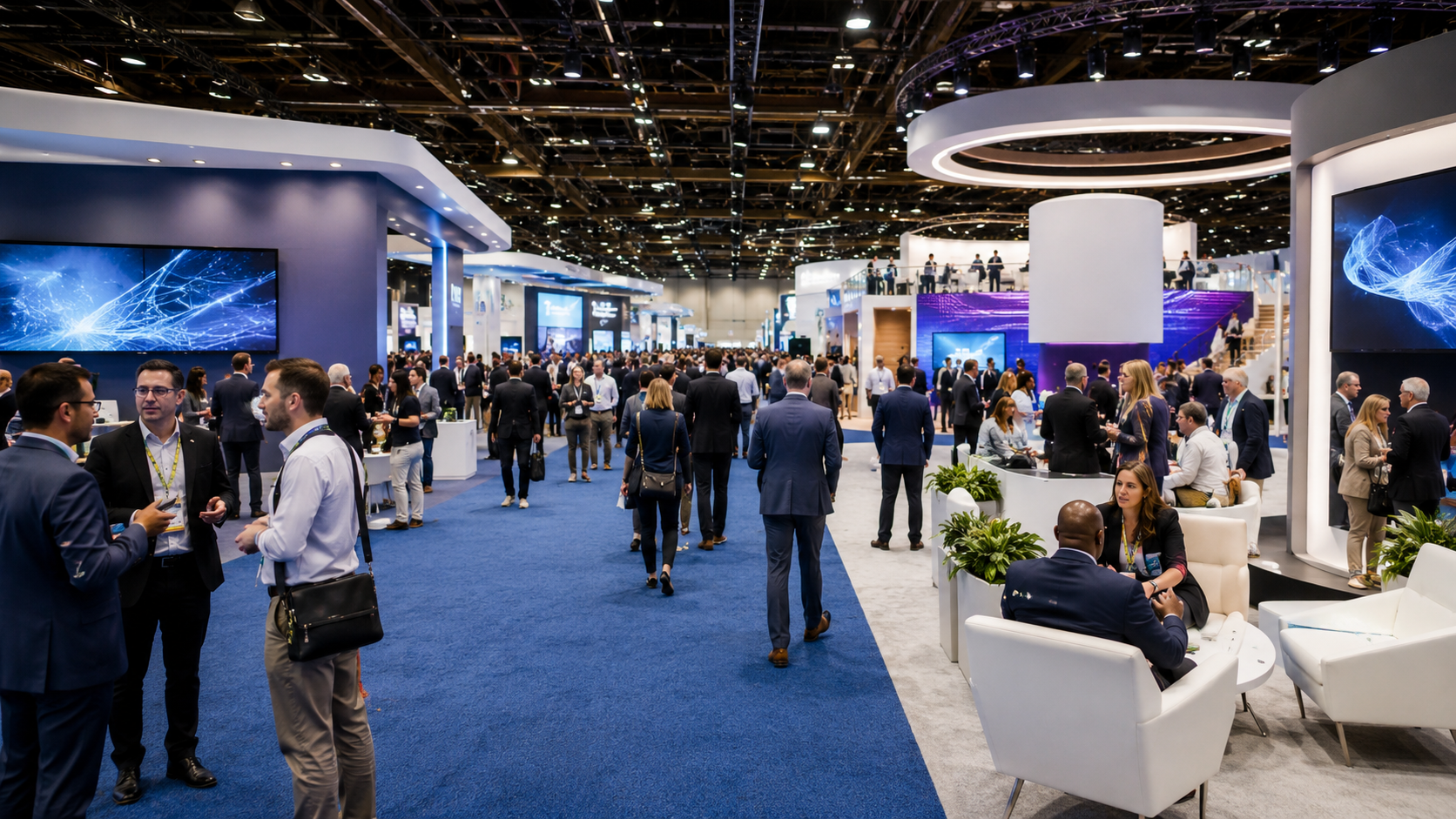
- Networking and crowd shots that capture scale and engagement.
- Branding, signage, and sponsorship placements you will want to prove.
For multi-day shows, pairing stills with commercial video makes your event coverage even more powerful, and our corporate event photography team handles both. Capturing your exhibitor booths and key sessions well is what turns a busy show floor into reusable marketing content.
4. Getting Value From Trade Show and Exhibitor Coverage
Trade show photography is its own discipline, focused on the show floor rather than the main stage. The goal is to make your booth look busy, professional, and worth visiting — images you can use in recaps, sponsor reports, and next year’s promotional push. Good coverage also documents foot traffic, demos, and the conversations that prove ROI to leadership.
Smart brands brief their photographer to highlight branded exhibitor booths from flattering angles, capture staff engaging with attendees, and grab detail shots of products and signage. Paired with your broader conference photography, that intentional trade show coverage turns a chaotic exhibit hall into a clean, on-brand visual story.
5. How to Hire the Right Conference Photographer
Not every photographer is built for high-pressure event coverage, so vet carefully. When vetting a conference photographer, check for:
- Proven experience shooting large conferences and conventions.
- A portfolio that handles difficult, mixed venue lighting.
- A professional demeanor around clients and executives.
- Backup equipment and any required venue credentials.
When you hire the right pro, conference photography becomes one of the highest-return line items in your event budget. Plan your shots, brief your photographer, and your coverage will keep generating value — in pitches, on social, and in next year’s campaign — long after the show floor goes quiet.
Frequently Asked Questions
1. What is conference photography? Conference photography is professional coverage of conferences, conventions, and large business events — keynotes, sessions, networking, and exhibits. It is designed to document your presence and create marketing material you can use afterward.
2. How is trade show photography different from conference photography? Trade show coverage focuses on the exhibit floor — booths, demos, and attendee interactions — while conference photography covers the broader event, including stages and sessions. Many shows need both.
3. Why does professional coverage matter at big Houston conventions? Venues like the George R. Brown host high-stakes industry events. Professional coverage proves your brand showed up well and gives you polished assets for PR, sales, and recruiting.
4. How should we photograph our trade show booth? Plan ahead. Brief your photographer to shoot your booth from strong angles, capture staff engaging visitors, and grab product and signage details that you can reuse in reports and promotions.
5. How do we book conference photography in Houston? Share your event, venue, and goals as early as possible. Contact our team to plan conference photography that turns your next Houston event into lasting marketing material.